28 August 2026
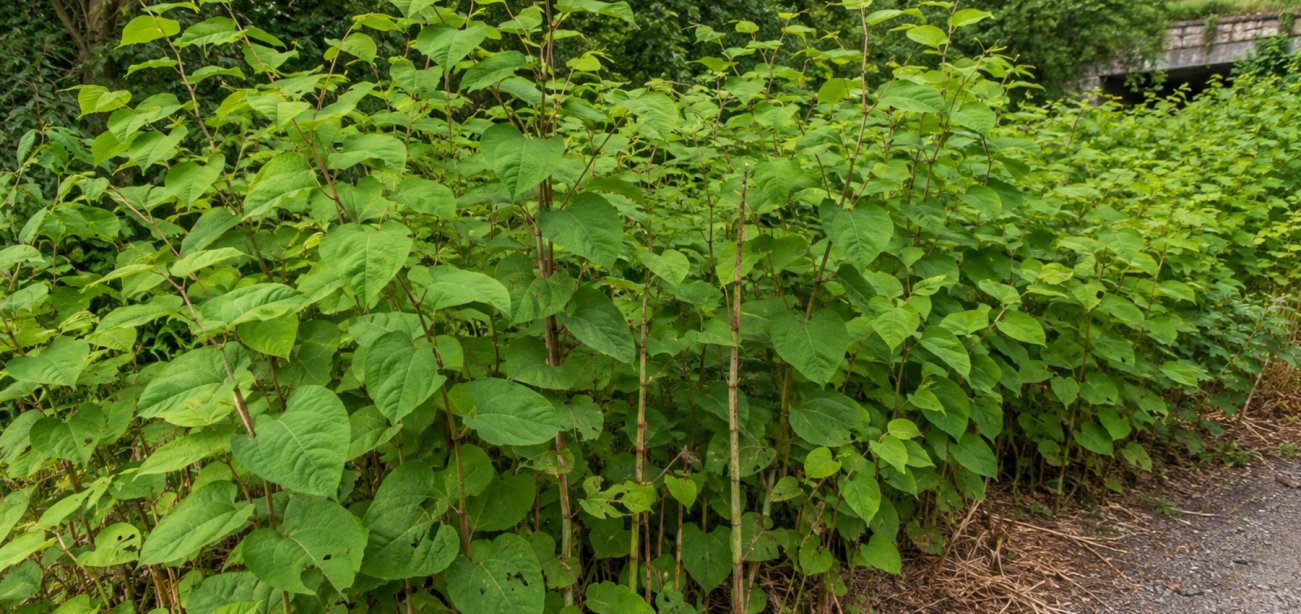
If you have Japanese knotweed in your garden, near your boundary or have previously had it treated, you may be wondering whether you need to tell a potential buyer and whether it could affect your sale.
The answer is not always straightforward, but what you tell the buyer is important.
Is it illegal to have Japanese knotweed?
Simply having Japanese knotweed growing in your garden is not illegal. However, there are restrictions on causing it to grow in the wild or allowing it to spread. Japanese knotweed and soil containing its roots are also treated as controlled waste, meaning they need to be disposed of correctly.
The Government provides guidance on preventing the spread of invasive and non-native plants.
For homeowners, however, one of the biggest concerns when selling is not necessarily the plant itself - it is how the situation is disclosed to the buyer.
What does the TA6 form ask about Japanese knotweed?
When selling a property, you will normally be asked to complete a TA6 Property Information Form.
Since 30 March 2026, the sixth edition of the TA6 has been used by solicitors accredited under the Law Society's Conveyancing Quality Scheme for new residential sales.
The form includes questions about Japanese knotweed, including whether the property is affected and whether there has been a survey or management plan.
Importantly, the form allows sellers to answer "not known" where they genuinely do not know the answer.
This does not mean you should simply choose "not known" if you already know there has been Japanese knotweed at the property.
Why is it important to answer honestly?
The buyer will generally rely on the information you provide when deciding whether to proceed with the purchase.
If you say that there is no Japanese knotweed when you know, or should reasonably have known, that there is or has been an issue, you could potentially face a claim later.
This can be particularly important where Japanese knotweed has previously been treated.
Even if there is no visible growth when you sell, there may still be rhizomes (underground stems) in the soil.
If you have previously had Japanese knotweed treated, don't assume that it no longer needs to be disclosed.
If you are unsure how to answer the TA6 questions, speak to your conveyancing solicitor before completing the form.
A real-life example: why getting the TA6 answer right matters
A 2023 County Court case shows just how costly an inaccurate answer about Japanese knotweed can become.
A buyer purchased a property in southwest London for £700,000. When completing the property information form, the seller answered "no" when asked whether the property was affected by Japanese knotweed.
After moving in and clearing the garden, the buyer discovered Japanese knotweed growing near the shed.
The seller argued that he genuinely believed the property was unaffected because the plant had been hidden. However, expert evidence showed that the knotweed had previously grown to around two metres tall and had been treated with herbicide while the seller owned the property.
The court found that the seller could not genuinely have believed the answer was correct.
He was ordered to pay around £32,000 in damages, together with a substantial contribution towards the buyer's legal costs. Including his own costs, the overall financial impact was reported to be around £200,000.
The case highlights an important point for anyone selling a property: if you know, or have reason to know, that Japanese knotweed has been present, it is important to answer the TA6 questions accurately.
A previous infestation does not simply become irrelevant because the plant is no longer visible. If you have had Japanese knotweed treated in the past, tell your solicitor and keep any records of the treatment.
Being open about an issue before a sale is usually far less costly than dealing with a claim after the buyer has moved in.
What if the knotweed is near the boundary?
Japanese knotweed can also cause problems if it spreads towards neighbouring land.
Landowners can potentially face claims from neighbours where Japanese knotweed spreads from their property and causes an actionable interference with the neighbouring land.
The courts have considered a number of cases involving Japanese knotweed and neighbouring properties, including Network Rail Infrastructure Ltd v Williams and Davies v Bridgend County Borough Council.
The legal position can be complicated, particularly where the spread happened before a particular duty arose, so specialist advice may be appropriate if you have concerns about a boundary issue.
Will Japanese knotweed stop me getting a mortgage?
Not necessarily.
There is a common misconception that a property affected by Japanese knotweed cannot be mortgaged or sold.
The approach to Japanese knotweed has changed in recent years. The Royal Institution of Chartered Surveyors (RICS) guidance moved away from the old "seven-metre rule" and instead considers the actual circumstances and level of risk.
The presence of Japanese knotweed does not automatically mean a property is unmortgageable. However, individual lenders may have their own requirements, and the condition of the property and any treatment plan may be relevant.
What should I do if I discover Japanese knotweed before selling?
If you think you have Japanese knotweed, it is generally better to deal with the issue before putting the property on the market, rather than hoping it will not be noticed.
You may wish to:
The Property Care Association can provide information about professionals working in this area.
Having clear documentation can help give a buyer and their mortgage lender greater confidence and may make the sale easier to progress.
What if I don't know whether there is Japanese knotweed?
This is where the updated TA6 form can be helpful.
If you genuinely do not know whether the property is affected, you should answer the question honestly rather than guessing.
The Law Society's TA6 sixth edition explanatory notes provide further information about the questions and the circumstances sellers should consider.
Your solicitor can also explain what information you need to provide based on your particular circumstances.
Selling a property with Japanese knotweed
Having Japanese knotweed does not necessarily mean you cannot sell your property.
The important thing is to deal with the issue properly and be open about what you know.
Trying to hide a previous infestation or providing an inaccurate answer could create much more serious problems further down the line.
If you are planning to sell and have Japanese knotweed, have previously had it treated or are unsure how to answer the TA6 questions, getting advice early can help avoid unnecessary delays or disputes.
How we can help
Our experienced Residential Property team advises sellers and buyers throughout the conveyancing process, including dealing with property information forms and issues that may arise during a sale.
We can help you understand what information needs to be disclosed and guide you through the conveyancing process, helping your sale progress as smoothly as possible.
We support clients across Dorset, including Bournemouth, Poole, Christchurch and Highcliffe.
If you are selling a property and have concerns about Japanese knotweed or another issue that may affect your sale, contact our Residential Property team on 01202 526343 or contact us via our website to arrange a consultation with a member of our Residential Property team: Contact Us AB Solicitors For Your Legal Needs